
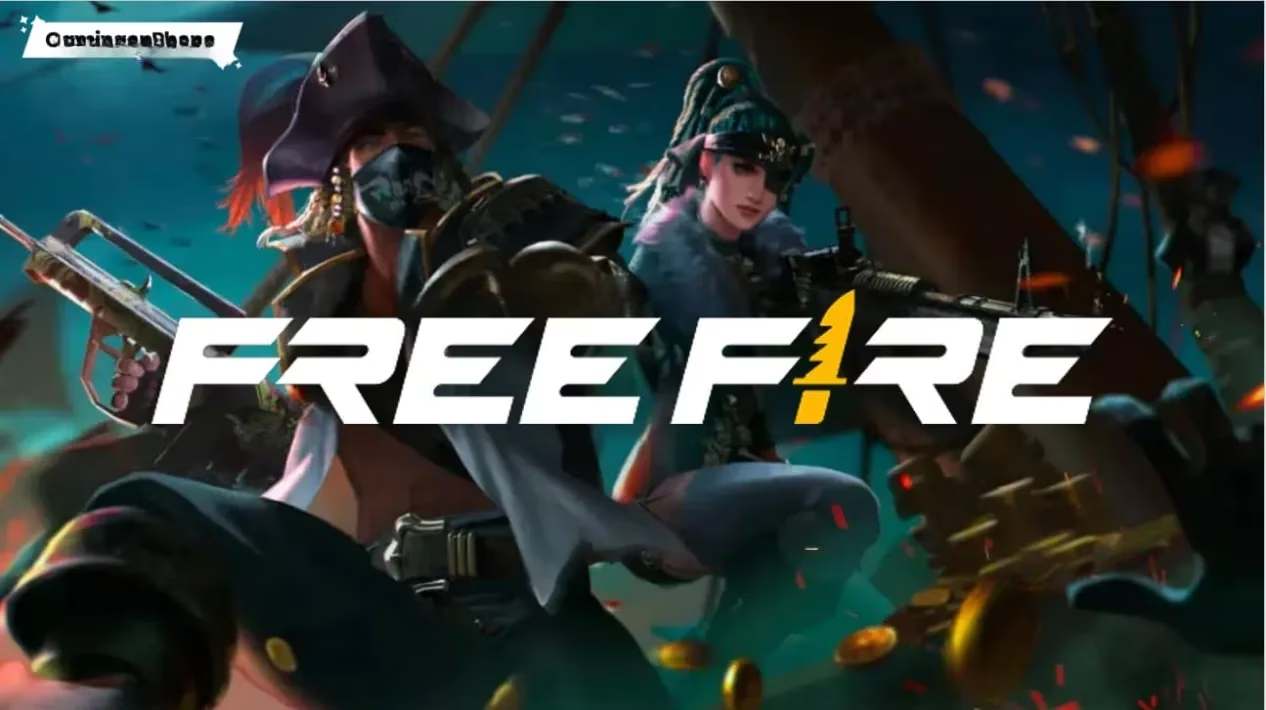
The popular battle royale game Free Fire is once again in hot water, this time in Indonesia. In 2026, the Indonesian Minister for Tourism and Creative Economy, Sandiaga Uno, has reportedly threatened to ban the game, citing serious concerns about its negative cultural impact on the nation's youth, particularly underage children. According to official statements, the game is accused of promoting "child violence," placing it under intense scrutiny by local authorities. This isn't just a passing comment; it represents a significant escalation in the ongoing debate about violent video games and their societal effects.
A Recurring Global Pattern
This potential action in Indonesia is far from an isolated incident. Free Fire and its developer, Garena, have a long history of facing pressure from governments worldwide. Let's look at the track record:
-
Bangladesh: The High Court ordered a ban on the game several years ago.
-
Nepal: Government ministers called for a ban, pointing to public health issues.
-
India: The game had a turbulent history with Indian authorities, being banned over data security concerns before a relaunch with local servers.
-
Other Nations: Countries like Afghanistan, Iraq, and Jordan have already implemented bans on the game.
😮 Wow, that's quite a list! It seems Free Fire is no stranger to controversy. The core issue consistently revolves around its content—intense gunplay and battle mechanics—and its massive appeal to a young, impressionable audience. Indonesian officials are now echoing these global concerns, suggesting the game is "triggering adverse effects on underage children." The decisive action, as Minister Uno stated, is deemed crucial to prevent the widespread negative influence of such games.
The Stakes in Indonesia
Why is a potential ban in Indonesia such a big deal? Simple: the market is huge! Indonesia is a critically important region for mobile game developers, boasting one of the largest and most engaged player bases globally. Losing access to this market would mean Free Fire sacrificing a massive chunk of its audience and revenue. The game's future in the archipelago now hangs in the balance as authorities from child protection agencies like LPAI and KPAI double down on their primary concern: the long-term cultural impact and future implications for the younger generation.
It's a classic clash between booming digital entertainment and traditional values of child protection. The authorities are drawing a line, emphasizing that popularity cannot come at the cost of societal well-being. This situation puts Garena in a tough spot. How will the studio respond? Will they make significant changes to the game's content or mechanics to appease regulators, or will they risk a full-blown ban? The gaming community is watching closely.
A Broader Industry Warning
The saga of Free Fire serves as a stark warning for the entire mobile gaming industry, especially titles in the battle royale and shooter genres. Games like PUBG Mobile, despite their enormous popularity, run a similar risk of being banned in various countries. The formula for trouble often includes:
-
Violent Gameplay: Central mechanics involving weapons and combat.
-
Young Audience: High accessibility and appeal to children and teenagers.
-
Cultural Sensitivity: Perceived conflicts with local social norms and values.
As we move further into the decade, it's becoming clear that developers need to be more proactive in addressing these concerns. Relying solely on age ratings is no longer enough in the face of direct government intervention. The question isn't just about whether Free Fire will be banned in Indonesia, but what precedent it sets for similar games worldwide. The industry might need to innovate beyond pure combat to ensure sustainable growth in diverse global markets. The next few months will be crucial in determining whether Free Fire can adapt and survive this latest regulatory challenge or become another case study in the complex relationship between gaming and government policy.