
Look, I love a good grand final as much as the next person with too many energy drinks and a questionable sleep schedule. But the real spicy stuff at FFWS Bangkok 2022 happened behind the curtain. I am talking about the unglamorous, spreadsheet-powered, walkie-talkie-heavy chaos that turns a bunch of very good Free Fire players into a global broadcast. In 2026, with esports events looking more like sci-fi conventions than LAN parties, this backstage tour still feels like a masterclass in how to run a show without losing your mind.
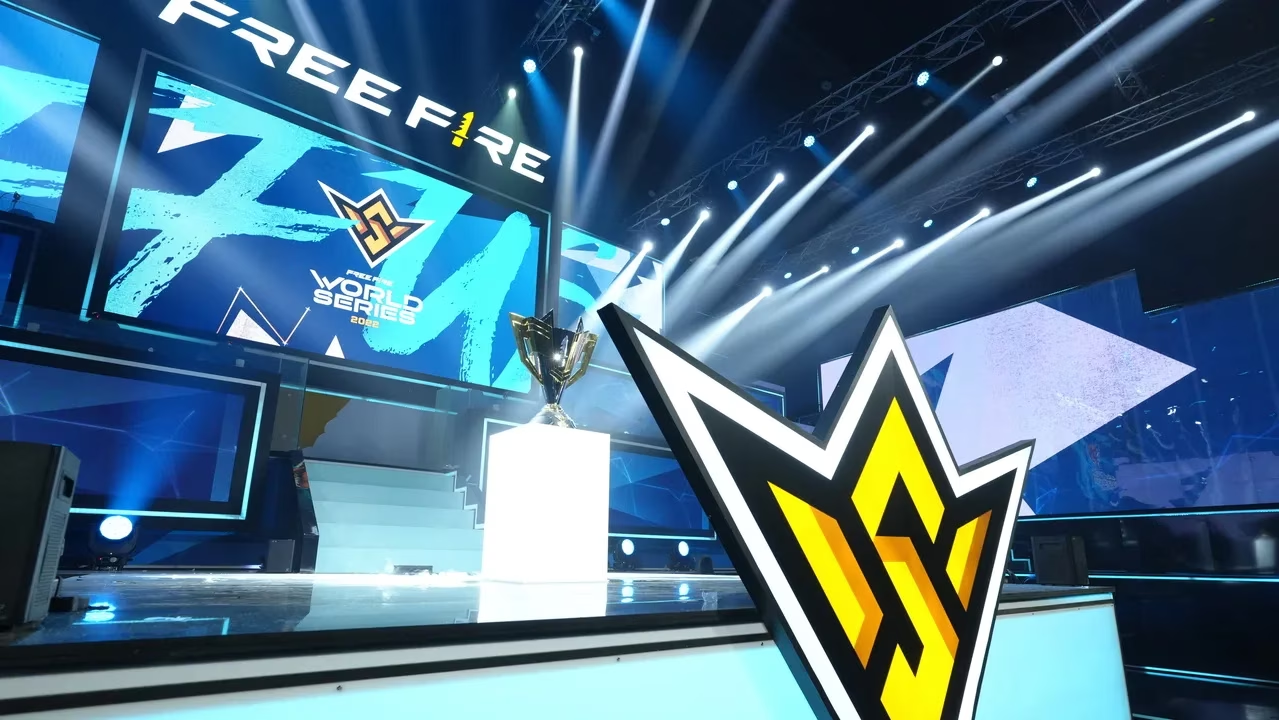
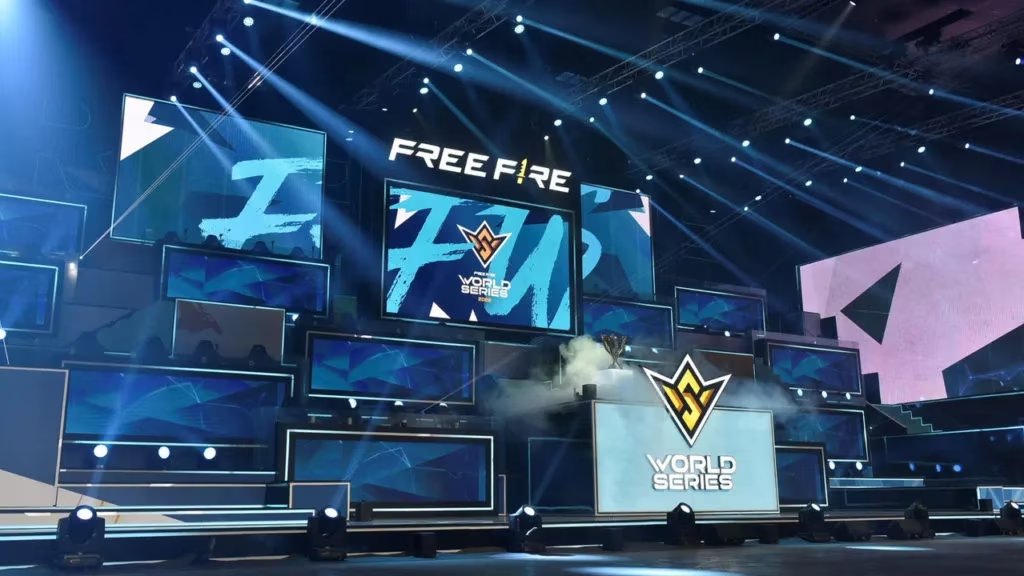
The Free Fire World Series 2022 Bangkok took place on Nov. 25 and 26 at CentralWorld Mall in Bangkok, Thailand. Seventeen teams from around the world scrapped for a share of a $2 million prize pool and the title of world champions. Spoiler alert: home team EVOS Phoenix, who had finished second in the previous edition, finally grabbed the trophy. The event was not open to a live audience for safety reasons, but Garena still invited top creators and personalities for an exclusive watch party. Honestly, that is a big-brain move. Those creators made content on their socials, which pulled even more eyeballs to the stream. Content marketing with extra sauce.
The Crew Is the Real MVP
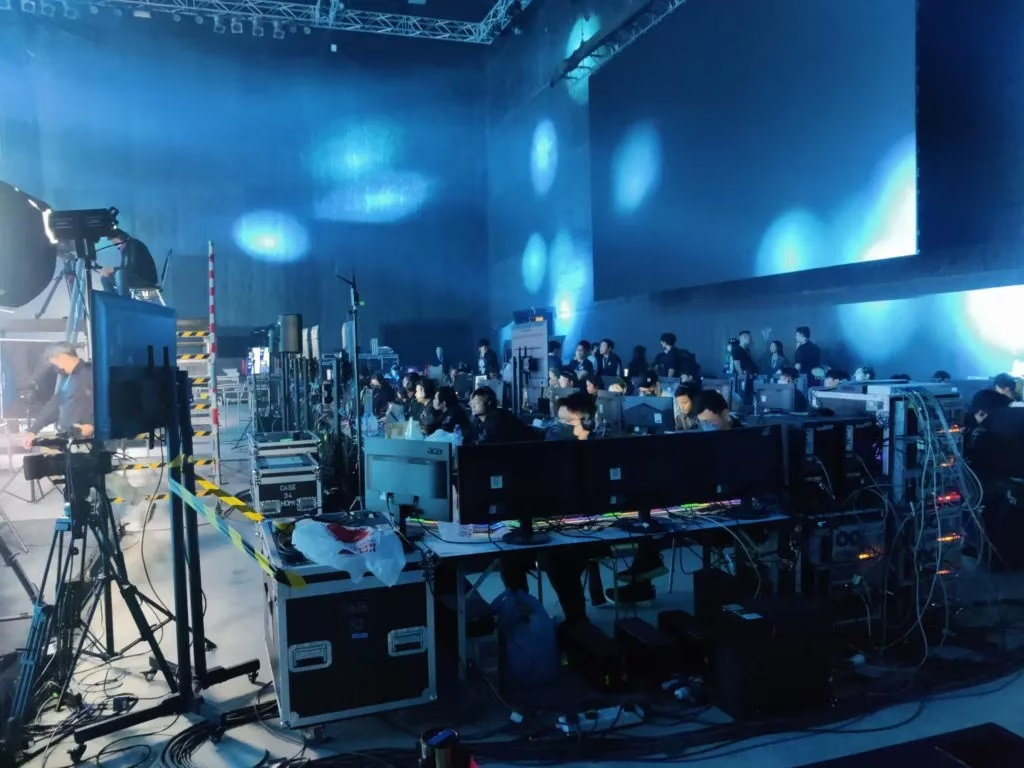
Garena told esports.gg that more than 100 people are required to execute an event of this scale. The main beast is the broadcast to the thousands of fans watching from home, and Garena had more than 50 people involved in broadcasting alone. That is not a crew. That is a small village with headsets. And if you have ever tried to herd cats during a live show, you know that keeping a broadcast clean is the devil in the details.
| Backstage move | The details | Why it mattered |
|---|---|---|
| Crew size | More than 100 people overall, with over 50 on broadcast alone | Keeps the show from becoming a beautiful disaster |
| Player devices | ASUS ROG 5S after testing multiple phones | Fewer hardware tantrums, more fair play |
| Observer team | Doubled from six to 12 | More action captured, fewer missed fights |
| Team booths | Individual booths with big TV screens and separate team broadcasts | Coaches can spot mistakes without spy-game nonsense |
| Player hotel | Centara Hotel at CentralWorld, inside the mall | Less travel, more rest, fewer zombie pros |
| Schedule | 9 p.m. Bangkok start, past midnight | Better for Latin American fans, especially Brazil around noon |
Phones, Ping, and Prime-Time Pain
All players were given an ROG 5S to compete at FFWS Bangkok. Garena said it tested multiple devices before locking in the gaming phone from ASUS. That is the kind of due diligence I respect. No one wants a grand final decided by a phone that suddenly decides to take a nap.
The schedule was also a proper night-owl special. The event began at 9 p.m. local Bangkok time and rolled way past midnight. If you live in Asia, that might have felt a bit awkward. But Garena did it so fans from other regions could watch, and that makes sense when Free Fire is huge in Latin America. A late-night Bangkok slot was around noon for fans in Brazil. Garena added that the teams did not have an issue with the schedule because they are used to it from other Free Fire esports events. Fair enough. Pro players and normal sleep schedules have never been best friends.
Player comfort was not an afterthought either. All teams stayed at the five-star Centara Hotel at CentralWorld, inside the mall itself. That meant minimal travel time. Garena also scheduled player activities like mock runs and ping tests after 5 p.m. Bangkok time, so the teams could be well-rested. In esports, rest is not a luxury. It is a performance stat.
Face Cams and Camera Gremlins
To improve the viewing experience, Garena added face cams for all players. That was a key part of the broadcast because fans could see live reactions. I am a simple viewer: show me a player gasping, fist-pumping, or staring into the void after a clutch, and I am entertained. It is chef's kiss television.
Garena also doubled the number of observers from six to 12. Observers are the people who watch the map and pan the camera to where the action is happening. More observers meant the action could be captured more accurately on the stream. In plain English: fewer missed fights, fewer angry chat messages, and more of the good stuff on screen.
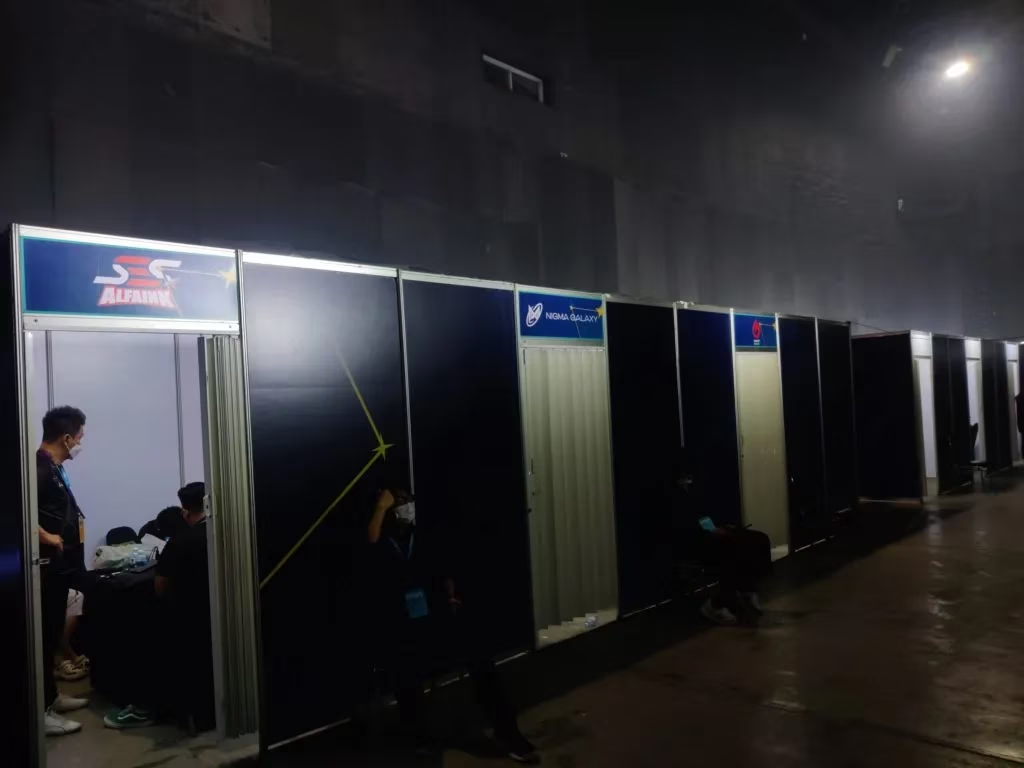
There was another smart change for the teams. Each one got an individual booth behind the stage, equipped with a large TV screen for the coach and manager to watch the action. At FFWS Bangkok, Garena implemented separate broadcasts for each team so the supporting staff could only see their own team. That ensured mistakes could be pointed out more easily between games. No accidental peeking, no weird spy-movie vibes. Just clean feedback and better coaching.
What I Would Steal for 2026
If I were running an esports event in 2026, I would photocopy this playbook and add better coffee. Here is my short list:
-
Treat the broadcast as the main product, not a side dish.
-
Test the hardware until you are bored, then test it again.
-
Give players rest and short travel times, because tired pros make silly mistakes.
-
Use creators as content engines, not just guests.
-
Double down on observers so the stream actually shows the action.
-
Give coaches their own clean feeds and big screens. Happy staff, sharper teams.
The FFWS Bangkok 2022 wrapped up Free Fire's 2022 esports season, and Garena said more details for 2023 would come soon. Looking back from 2026, the bar for big mobile esports events is sky-high, but this backstage look still lands. The crown gets the spotlight. The crew gets the job done. And honestly, that is the real world championship energy.